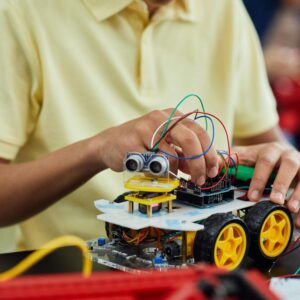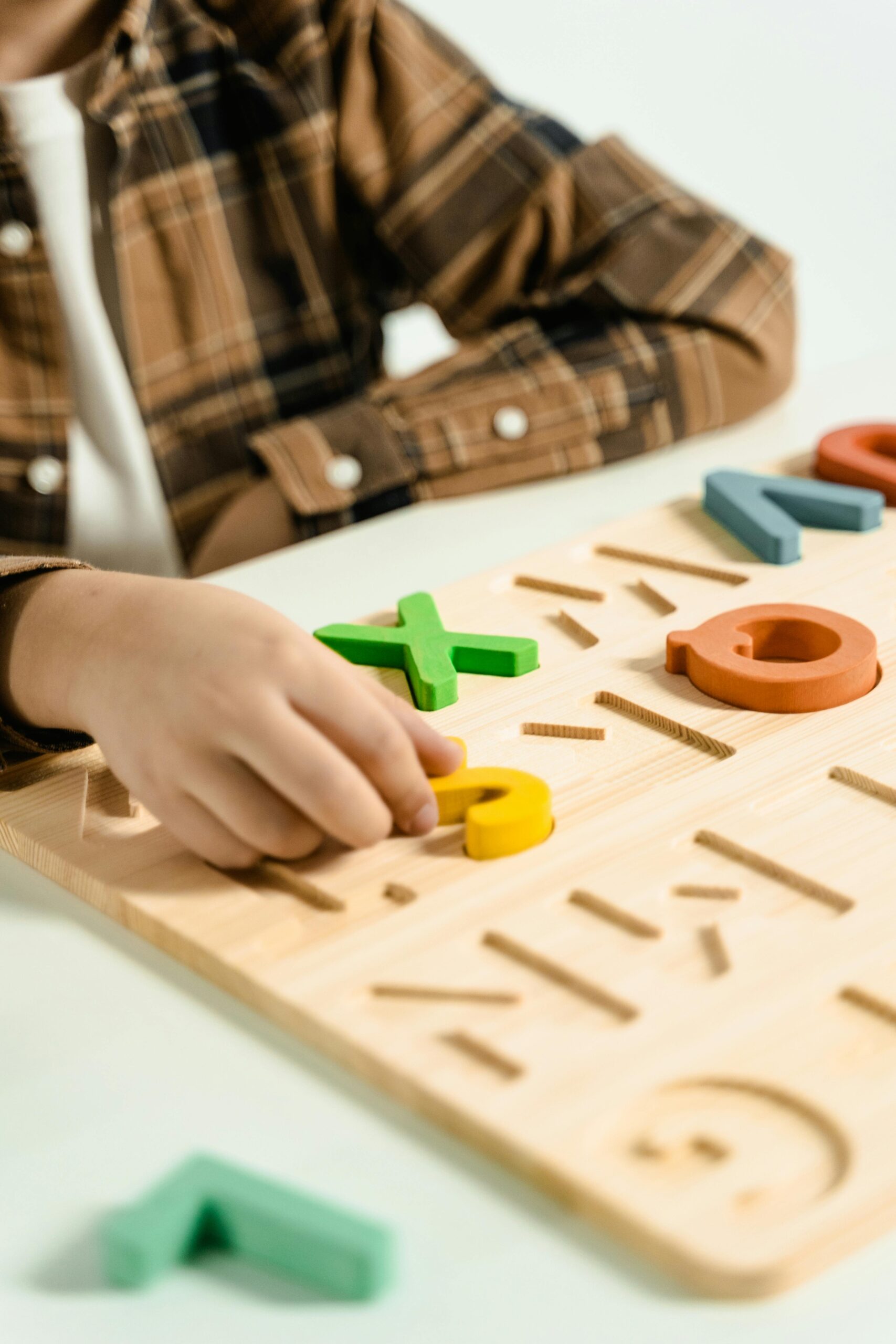
In the world of homeschooling and alternative education, learning doesn’t always have to take place at a desk or involve a textbook. One of the most powerful (and enjoyable) ways to reinforce academic concepts is through play. Educational board games and toys provide children with interactive, hands-on experiences that stimulate critical thinking, collaboration, and creativity.
For homeschooling families, these tools can be especially beneficial. They bring lessons to life, break up the monotony of formal instruction, and can even promote family bonding. In this article, we’ll explore how educational board games and toys enhance learning and provide recommendations across various subjects and age groups.
The Educational Benefits of Games and Play-Based Learning
Games do more than entertain—they support development in key educational areas:
- Critical Thinking: Strategy-based games challenge children to plan, analyze, and make decisions.
- Math and Logic: Many games incorporate counting, patterns, probability, or basic arithmetic.
- Language Development: Games that use storytelling, vocabulary, or spelling help strengthen language arts skills.
- Social Skills: Turn-taking, cooperation, and communication are essential skills developed through group play.
- Emotional Growth: Games teach resilience, patience, and how to handle both winning and losing gracefully.
Play-based learning taps into intrinsic motivation, making it easier for children to absorb information because they’re engaged, having fun, and involved in active discovery.
Best Educational Board Games by Subject
1. Math and Logic
- Sum Swamp (Ages 5+)
This fun, fast-paced game helps younger children practice addition and subtraction. Players move through a swamp-themed board while solving simple math problems, reinforcing fluency in a playful way. - Prime Climb (Ages 10+)
A colorful and challenging game that teaches prime numbers, multiplication, and division through a strategic race to the center of the board. It’s perfect for older children and even adults. - Rush Hour (Ages 8+)
A logic and reasoning puzzle where players slide cars to clear a path and escape a traffic jam. It helps children develop sequencing and spatial awareness.
2. Language and Literacy
- Scrabble Junior / Scrabble (Ages 5+/8+)
A classic word-building game that improves spelling, vocabulary, and reading comprehension. Junior versions use picture clues for younger learners, while the original is great for older children. - Boggle (Ages 8+)
Players search for as many words as possible in a jumble of letters. It sharpens spelling and word recognition skills while building quick thinking. - Story Cubes (Ages 6+)
This game includes dice with pictures instead of numbers. Players roll and create stories using the images, promoting creativity, storytelling, and oral language development.
3. Science and Nature
- Outfoxed! (Ages 5+)
A cooperative whodunit game that teaches logic and deductive reasoning. Children work together to gather clues and eliminate suspects—perfect for early learners. - Wildcraft! (Ages 4+)
This herbal adventure game teaches plant identification and uses in a cooperative, story-based journey. It’s ideal for families who want to blend nature studies with fun. - Periodic: A Game of The Elements (Ages 10+)
Players navigate the periodic table, learning real-world chemistry concepts like atomic numbers and element groups while completing goal-based challenges.
4. Geography and Social Studies
- Ticket to Ride (Ages 8+)
Players collect train cards to build railway routes across North America (or other continents, depending on the edition). This game teaches geography, planning, and strategy. - Scrambled States of America (Ages 8+)
Based on the popular children’s book, this game builds U.S. geography knowledge through quirky, fun challenges involving states, capitals, and regional facts. - BrainBox: World History / U.S. Presidents / Cities of the World (Ages 8+)
These memory and fact-based games teach history, geography, and civics through quick observation and recall rounds.
5. STEM and Engineering
- Robot Turtles (Ages 4+)
A coding board game for preschoolers that teaches programming fundamentals like commands and sequences through fun turtle movement challenges. - Gravity Maze (Ages 8+)
A 3D marble logic game that strengthens spatial reasoning and engineering skills. Players design towers and paths to guide marbles through a maze. - Circuit Maze (Ages 8+)
Teaches basic electrical circuit concepts using logic puzzles that involve lighting up LED beacons. A hands-on, safe way to explore electricity.
Best Educational Toys That Support Learning
1. LEGO Sets (All Ages)
From basic building blocks to LEGO Education sets like SPIKE Prime or Simple Machines, LEGO encourages creativity, fine motor skills, and STEM thinking.
2. Magna-Tiles or Picasso Tiles (Ages 3+)
These magnetic building toys support spatial awareness, geometry, and imaginative design. They are especially great for visual and tactile learners.
3. Osmo Learning Kits (Ages 4–10+)
Osmo blends physical play with digital interaction. With tools like the Osmo Genius Starter Kit, children can play math games, spell words, and solve puzzles using tangible pieces that work with a tablet.
4. Tinkering Labs Electric Motors Catalyst Kit (Ages 8+)
This creative kit lets children invent machines, vehicles, and gadgets using motors, wires, and other tools—perfect for developing real-world problem-solving skills.
Tips for Incorporating Games into Your Homeschool Routine
- Use Games as a Review Tool
Replace worksheets or quizzes with games to review material in a more dynamic way. - Create “Game School” Days
Dedicate one day a week or month to learning through only games. It’s a great way to keep school fresh and fun. - Involve the Whole Family
Many educational games work for multi-age groups, making them perfect for family game nights with a learning twist. - Set Educational Goals
Identify the skills you want to reinforce and select games that align with those goals. - Rotate Toys and Games
Keep interest high by cycling through different games and toys. This also allows you to revisit and reinforce past topics.
Educational board games and toys are more than just entertainment—they’re powerful tools for teaching and reinforcing critical academic and life skills. In a homeschool setting, where flexibility is key, games provide a stress-free way to learn, explore, and grow.
From math and science to reading and social studies, there’s a game for nearly every subject and skill level. So the next time you’re planning your homeschool curriculum, consider adding a few board games and hands-on toys into the mix—you might be surprised how much your child can learn while having fun.
Generated by ChatGPT