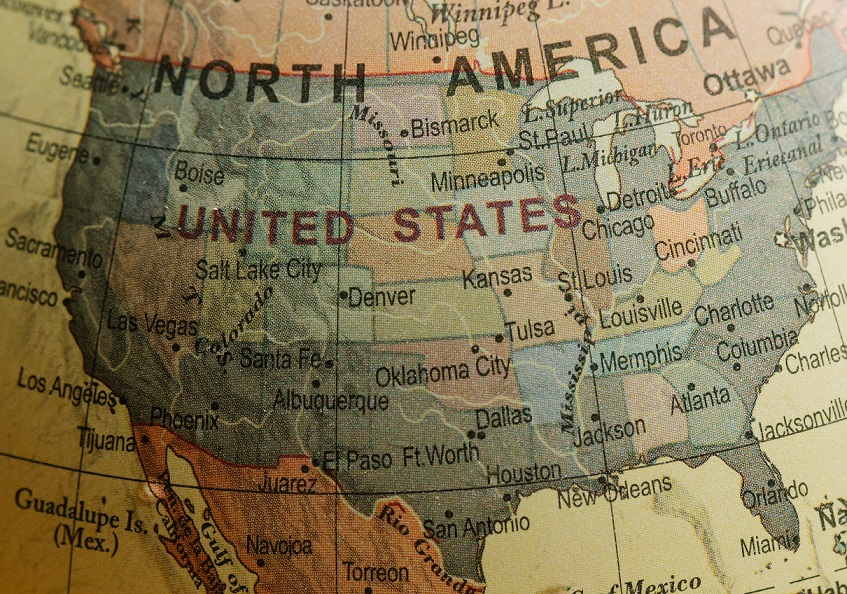
Homeschooling is a growing trend in the United States. As of 2021, it is estimated that approximately 2.5 million children in the United States are homeschooled, with that number increasing every year. One of the most common questions parents ask when considering homeschooling is whether or not it is legal in their state. The answer is yes, homeschooling is legal in all 50 states, but the laws and regulations that govern homeschooling vary from state to state.
Every state has its own set of homeschooling laws and regulations, and it is important for homeschooling families to be aware of these laws and comply with them. Some states have very lenient homeschooling laws, while others have more strict regulations that homeschooling families must follow. In some states, homeschooling families are required to register with the state, while in others, they are not required to do so. In some states, homeschooled students are required to take standardized tests, while in others, they are not.
The laws and regulations governing homeschooling vary from state to state because education is primarily a state responsibility in the United States. This means that the states have the power to regulate education within their borders. While the federal government has some involvement in education policy, the states have the ultimate authority over education.
Homeschooling is legal in all 50 states, but the laws and regulations that govern homeschooling vary widely. Some states have very few requirements for homeschooling families, while others have more strict regulations. In some states, homeschooled students are required to take standardized tests, while in others, they are not. In some states, homeschooling families must register with the state, while in others, they are not required to do so.
To help parents understand the laws and regulations governing homeschooling in their state, the Home School Legal Defense Association (HSLDA) provides a state-by-state summary of homeschooling laws on their website. This resource is a valuable tool for homeschooling families who want to make sure they are complying with the homeschooling laws in their state.
While homeschooling is legal in all 50 states, it is important for homeschooling families to comply with their state’s homeschooling laws and regulations to avoid any legal issues. Homeschooling families should also be aware of any changes to their state’s homeschooling laws and regulations and adjust their homeschooling program accordingly.
There are several states in the United States that offer a more relaxed and easy process for homeschooling families. One of the easiest states to homeschool in is Texas. Texas is known for having very relaxed homeschooling laws, and homeschooling families are not required to submit any notification or assessment to state officials. Homeschooled students in Texas must receive instruction in the subjects of reading, writing, math, social studies, and science, but there are no additional requirements or regulations beyond that.
Another state that offers an easy opportunity for homeschooling is Oklahoma. Homeschooling families in Oklahoma are required to file a notice of intent to homeschool with their local school district. Homeschooled students in Oklahoma must receive instruction in the subjects of reading, writing, math, social studies, and science, but there are no additional requirements or regulations beyond that.
In addition to Texas and Oklahoma, other states with relatively easy homeschooling requirements include Alaska, Idaho, Indiana, Michigan, Missouri, Montana, and Utah. These states have fewer requirements and regulations for homeschooling families compared to other states, making it easier for families to homeschool their children.
However, it is important to note that while these states may have more relaxed homeschooling laws, homeschooling families must still comply with the state’s homeschooling requirements and provide a quality education for their children. Homeschooling is a serious responsibility, and parents must be willing to devote the time and resources necessary to provide a quality education for their children.
Why Do It?
There are several reasons why parents choose to homeschool their children. Some parents choose homeschooling because they want to have greater control over their children’s education. They may believe that they can provide a better education for their children than the public schools or that they can tailor their children’s education to their specific needs and interests.
Other parents choose homeschooling because they want to provide a more individualized education for their children. Homeschooling allows parents to customize their children’s education to meet their unique learning styles and abilities. Homeschooling also allows parents to provide more one-on-one instruction, which can be especially beneficial for children who struggle in a traditional classroom setting.
Homeschooling can also provide a more flexible schedule for families. Homeschooling allows families to schedule their school day around other activities, such as sports, music lessons, or family vacations. This can be especially helpful for families who travel frequently or who have children with special needs.
Homeschooling can also provide a more values-based education for children. Homeschooling allows parents to incorporate their values and beliefs into their children’s education. This can be especially important for families who want to provide a religious education for their children.
While homeschooling can be a great educational option for many families, it is not without its challenges. Homeschooling can be a time-consuming and demanding responsibility for parents, especially if they are also working outside the home. Homeschooling can also be expensive, as parents are responsible for purchasing their own curriculum materials and educational resources.
Another challenge of homeschooling is that homeschooled students may have limited opportunities for socialization with their peers. Homeschooled students may not have access to the same social and extracurricular activities as their peers in traditional schools, which can be a disadvantage when it comes to developing social skills and making friends.
Despite these challenges, homeschooling is a viable and legal educational option for families in all 50 states. Homeschooling can provide a customized, flexible, and values-based education for children. Homeschooling families must be aware of their state’s homeschooling laws and regulations and comply with them to avoid any legal issues. With proper planning and preparation, homeschooling can be a rewarding and effective educational option for families who want greater control over their children’s education.